Physical Address
304 North Cardinal St.
Dorchester Center, MA 02124
Physical Address
304 North Cardinal St.
Dorchester Center, MA 02124
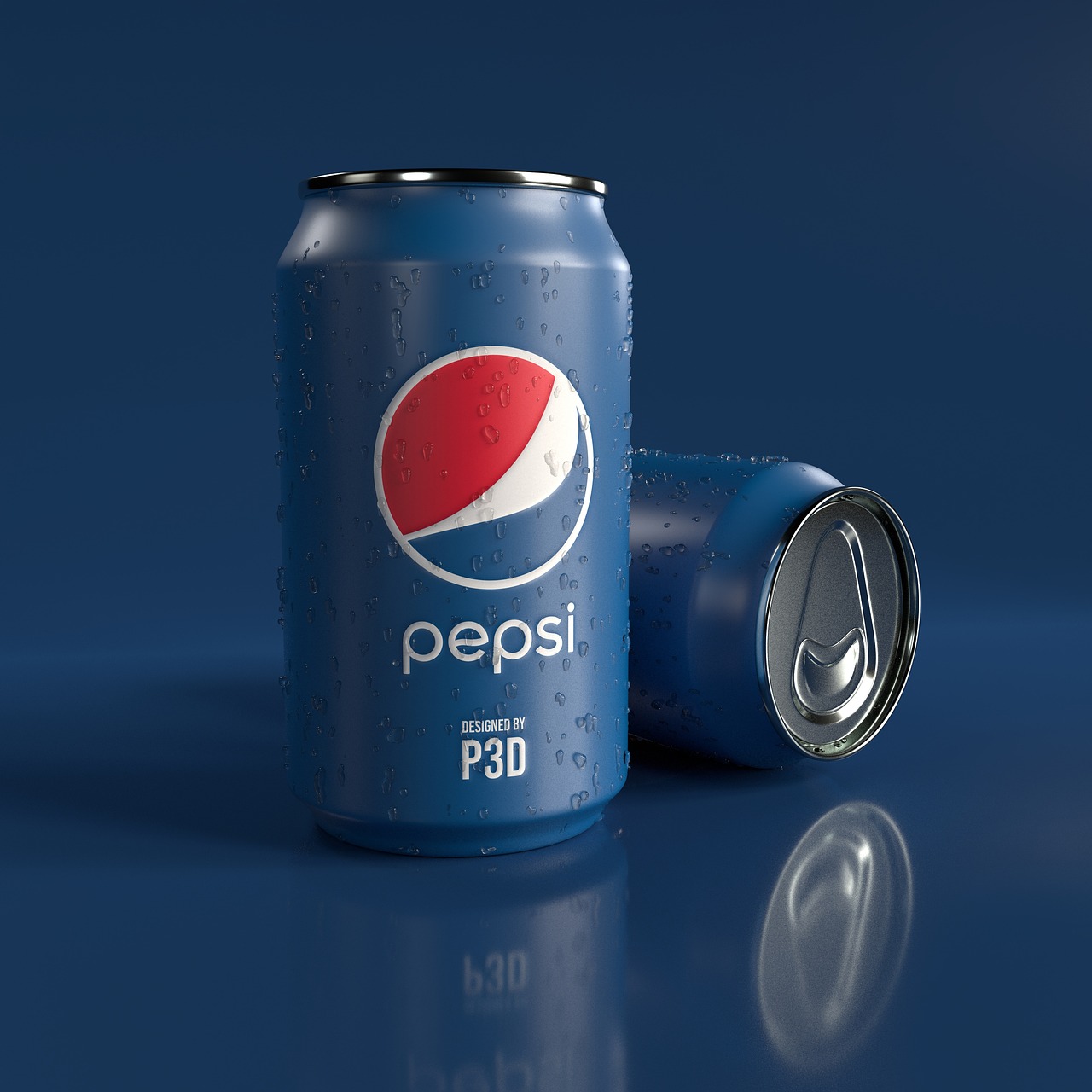
When we hear the name Pepsi, we instantly think of a refreshing soft drink loved by millions worldwide. But behind this globally recognized brand lies an extraordinary journey full of challenges, failures, smart decisions, and powerful marketing strategies. The success story of Pepsi is a perfect example of how innovation, branding, and persistence can turn a small idea into a worldwide empire.
Pepsi started, how it bounced back from failure, what made it different from Coca-Cola, and how Pepsi rose to become one of the most successful beverage brands in history.
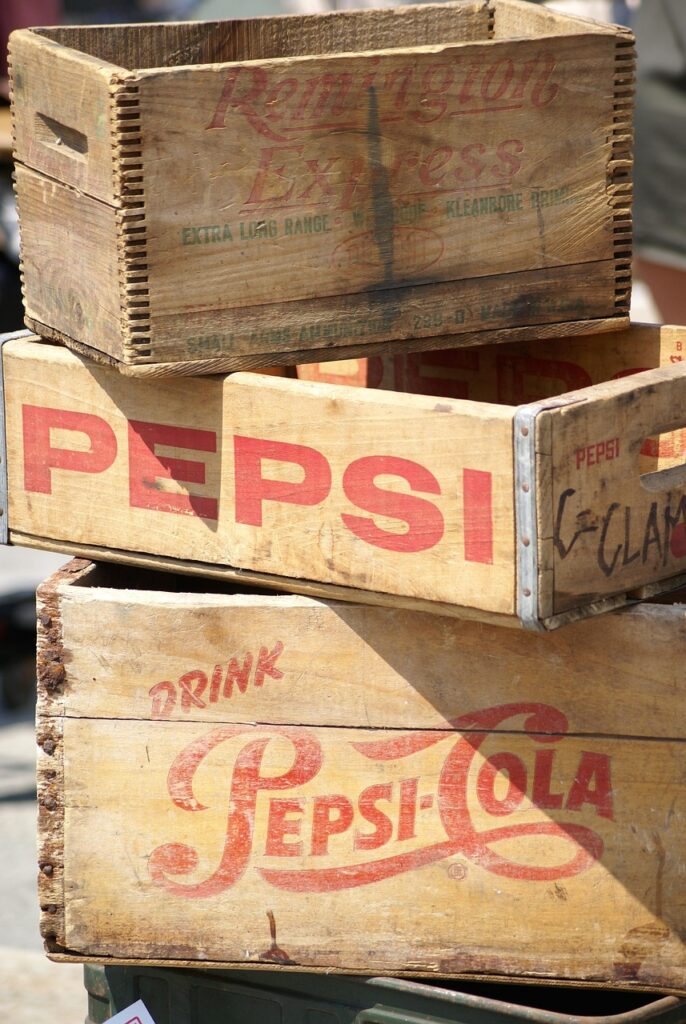
The story of Pepsi begins in 1893, inside a small pharmacy owned by Caleb Bradham in North Carolina, USA. At that time, pharmacists often created their own drinks and tonics for customers. Caleb wanted to create a refreshing drink that not only tasted good but also helped with digestion.
He named this drink “Brad’s Drink.”
Customers loved it so much that it became one of the most popular products in his pharmacy. Seeing the growing demand, Caleb renamed it to “Pepsi-Cola” in 1898. The name “Pepsi” was inspired by the digestive enzyme pepsin, as the drink was believed to aid digestion.
This was the beginning of a brand that would later dominate the world.
As Pepsi began to grow, it soon faced a major challenge. During World War I, the price of sugar skyrocketed. Pepsi relied heavily on sugar, and the high cost created huge losses for the company.
By 1923, Pepsi-Cola went bankrupt.
Most companies would end at this stage, but Pepsi was destined for something much bigger. The brand was purchased by Charles Guth, a businessman who saw potential in Pepsi. He improved the formula, reorganized the business, and started rebuilding the company from the ground up.
This was Pepsi’s first major comeback and certainly not the last.
In the 1930s, Pepsi made one of the smartest decisions in marketing history.
At that time, Coca-Cola sold a 6-ounce bottle for 5 cents. Pepsi offered a 12-ounce bottle for the same price double the quantity at the same cost.
This powerful pricing strategy transformed the brand rapidly.
Pepsi launched a famous radio jingle:
“Pepsi-Cola hits the spot!”
It became one of the first advertising slogans to go viral in American history. People loved getting more value for their money, especially during the Great Depression when financial conditions were difficult.
Suddenly, Pepsi was no longer just a drink it was the smart choice.
Pepsi’s biggest competitor has always been Coca-Cola. For years, Coke dominated the market. But Pepsi chose a different strategy: targeting the youth.
Instead of trying to copy Coca-Cola’s classic image, Pepsi positioned itself as the drink of modern, energetic, fun-loving young people.
One of the most iconic projects was the Pepsi Challenge in the 1970s, where consumers were asked to blind-taste Pepsi and Coca-Cola. Many chose Pepsi, and the campaign boosted Pepsi’s image dramatically.
Pepsi understood the power of influence long before “influencer marketing” became a trend. The company collaborated with the biggest celebrities in the world.
Some legendary names include:
Pepsi wasn’t just selling a drink it was selling attitude, confidence, modern culture, and entertainment.
This celebrity strategy helped Pepsi build a strong emotional connection with young consumers.
While Coca-Cola was expanding rapidly, Pepsi focused on building a smart, diverse brand. The company entered markets across Asia, Africa, the Middle East, Europe, and beyond. Local taste preferences were analyzed, and Pepsi introduced flavors suited to different regions.
PepsiCo, the parent company, didn’t stop at just beverages. It expanded into snacks and food products, creating a massive global empire.
PepsiCo today owns:
This strategy made PepsiCo one of the largest food and beverage companies in the world.

Pepsi grew because it was never afraid to innovate.
Pepsi also embraced digital marketing early, using social media, interactive campaigns, and video content to attract younger audiences.
Pepsi’s success did not happen overnight. It was built through a combination of strategies that evolved with the times.
Pepsi created a bold identity focused on youth, excitement, and modern lifestyle.
From the early days, Pepsi attracted customers by offering better value for money.
Pepsi used music, sports, and entertainment icons to connect with the audience emotionally.
The brand constantly launched new products, campaigns, and digital ideas.
Pepsi did not rely only on soft drinks it built a strong snack and food empire.
From the Pepsi Challenge to bold marketing stunts, Pepsi always dared to try something new.
Pepsi’s journey teaches valuable business lessons:
Pepsi proved that with the right strategy and a strong vision, even a small-town drink can become a global legend.
Pepsi was originally created in the late 19th century by pharmacist Caleb Bradham, who developed the drink at his pharmacy counter as a digestive aid.
During that time, many soft drinks were created and sold in pharmacies because they were believed to have health benefits and digestive properties.
Pepsi was originally called “Brad’s Drink” before being renamed Pepsi-Cola in 1898.
Pepsi expanded through strong branding, mass marketing, global distribution, and adapting its products to different markets around the world.
Pepsi faced financial difficulties, including bankruptcy, but managed to recover through rebranding and innovative marketing strategies.
Pepsi differentiated itself through youth-focused marketing, celebrity endorsements, competitive pricing, and bold advertising campaigns.
Pepsi began expanding internationally in the mid-20th century, establishing a presence in Europe, Asia, and the Middle East.
Marketing played a critical role, helping Pepsi build a strong brand identity and connect with younger generations globally.
Pepsi expanded beyond cola to include diet beverages, flavored drinks, energy drinks, and healthier beverage options.
Pepsi is considered a global leader due to its strong brand recognition, worldwide distribution network, innovation, and ability to adapt to changing consumer preferences.





[…] didn’t become a global brand just by selling coffee. It succeeded because it created an entire culture around […]
[…] consumers want comfort, efficiency, and speed. Amazon fulfills these demands without requiring trips to the […]
[…] your site is only 2–4 months old, Google is watching, not […]